Discover how you can enhance your home’s climate control system cost-effectively with expert tips and tricks. This guide provides valuable insights from HVAC professionals, catering to both DIY enthusiasts and those who prefer calling in the experts. By optimizing your HVAC system’s performance, you can enjoy enhanced comfort and energy savings throughout the year.
1. Select the Right HVAC System Expert
Choosing the right HVAC system expert is crucial for ensuring that your heating and cooling system operates efficiently. Look for professionals with certifications and experience in the field, as these qualifications are indicative of reliability. An expert can help you navigate the complexities of HVAC systems and tailor services to meet your specific needs.
When evaluating potential HVAC experts, consider their recommendations and alignment with industry best practices. Experts who stay updated with the latest HVAC technology can offer better solutions for energy efficiency. Their ability to communicate clearly is essential in understanding technical aspects and costs involved.
Lastly, assessing the trustworthiness of an HVAC expert should involve checking reviews and industry ratings. A reliable expert often comes highly recommended by previous clients and peers. This validation helps ensure that you’re hiring someone reputable who will provide high-quality services.
2. Consider Mini Split AC Units for Flexible Cooling
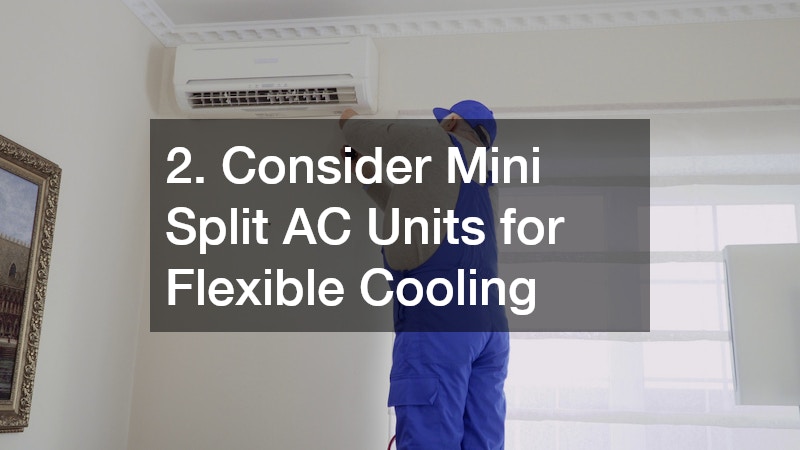
Mini split AC units offer homeowners a versatile solution for targeted cooling without the need for extensive ductwork. These units are known for their energy efficiency and ability to provide zoned heating and cooling. They can be easily installed in different areas of your home, allowing for customized climate control.
Aside from their flexibility, mini split AC units are often quieter and more discreet compared to traditional systems. This makes them an attractive option for bedrooms and living spaces where noise reduction is desired. Moreover, their small size and design add minimal aesthetic interruption to your home’s decor.
However, before installing mini split AC units, consider if your home’s layout supports optimal placement for these systems. Professional advice can help ensure an ideal setup that maximizes efficiency. Consulting with a trusted HVAC company can provide guidance tailored to your home’s specific cooling needs.
3. Plan for Efficient HVAC Installations
Planning ahead is key to achieving efficient HVAC installations and ensuring long-term energy savings. Start by assessing your home’s specific heating and cooling requirements, such as square footage and climate considerations. An informed decision can then be made regarding the type and size of the HVAC system you need.
Understanding the potential costs and savings associated with different HVAC installations is essential. While high-efficiency systems may have a higher upfront cost, they often result in lower energy bills and better longevity. Moreover, many government and utility rebates are available for energy-efficient upgrades, which can offset initial expenses.
During the planning phase, collaborating with an HVAC system expert can help you make well-informed choices. An expert can provide a detailed assessment and suggest the best options that align with your budget and efficiency goals. Comprehensive planning will ultimately lead to a successful install that meets your comfort needs.
4. Stay Ahead with Regular Furnace Repair
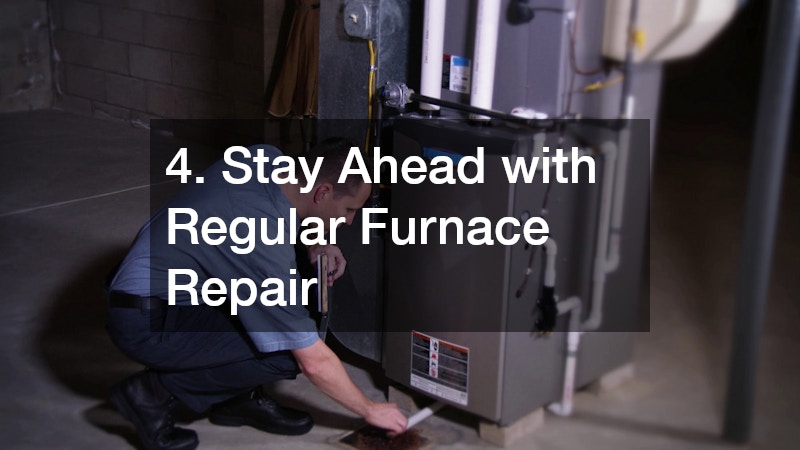
Regular furnace repair is crucial for maintaining a safe and efficient HVAC system. Recognizing early signs of furnace issues can prevent more costly repairs down the line. Common indicators such as strange noises or inconsistent heating should prompt immediate attention.
Homeowners should evaluate whether furnace issues can be handled with DIY troubleshooting or require professional intervention. Simple fixes, such as replacing filters and cleaning vents, can often resolve minor problems. For more complex problems, hiring skilled local AC contractors ensures the repair is done accurately and safely.
Consistent maintenance not only prolongs the lifespan of the furnace but also enhances its performance. Scheduling regular check-ups with an HVAC expert can catch potential problems early. These preventative measures are part of overall HVAC maintenance strategies that optimize system efficiency year-round.
5. Find Reliable Local AC Contractors
When searching for reliable local AC contractors, it is essential to conduct thorough research. Start by checking their credentials, including licenses and insurance, to ensure they meet industry standards. Reliable contractors typically offer detailed service information on their websites or upon request.
Customer reviews and testimonials are valuable resources when evaluating the reputation of AC contractors. Look for patterns of positive feedback regarding punctuality, communication, and quality of work. These insights can help you make informed decisions about which contractor best fits your needs.
When narrowing down your options, prepare a list of questions to ask potential contractors. Inquire about their experience with specific HVAC systems and familiarity with local climate conditions. Clear and open communication with potential hires will ensure that all your expectations and requirements are understood.
6. Perform Routine Maintenance on Your HVAC System
Routine maintenance is a fundamental aspect of optimizing the performance and lifespan of your HVAC system. Regular tasks such as cleaning or changing air filters can significantly enhance system efficiency. This straightforward upkeep prevents airflow obstructions and reduces strain on the system.
Creating and adhering to a maintenance schedule makes it easier to track crucial tasks that need completion. This schedule should include regular inspections by an HVAC expert to maintain peak performance. Experts can detect underlying issues that might not be evident to untrained eyes.
Beyond regular check-ups, incorporating seasonal maintenance practices ensures the system adapts to varying climate demands. Typically, HVAC systems should be inspected biannually—before heating demands increase in fall and cooling demands peak in spring. Adopting these habits ensures consistent comfort and energy efficiency.
7. Tackle Common HVAC Repairs Yourself
Taking on common HVAC repairs yourself can be a cost-effective alternative to hiring professionals. Basic issues, such as resetting circuit breakers or replacing blown fuses, are often manageable for most homeowners. Always ensure your safety by turning off power to the HVAC system before attempting any repairs.
Identifying frequent issues such as clogged filters or thermostat malfunctions can help you address problems promptly. Many HVAC repairs involve accessible components that don’t require advanced tools or expertise. However, always consult manufacturer guidelines to avoid voiding warranties or causing further damage.
While minor repairs are feasible for DIY enthusiasts, know your limits and recognize when to call in an experienced HVAC system expert. Situations involving complex electrical or refrigerant systems generally necessitate professional attention. A balanced approach to DIY and professional services can maintain system efficiency and safety.
8. Be Prepared for Emergency Heating Repair
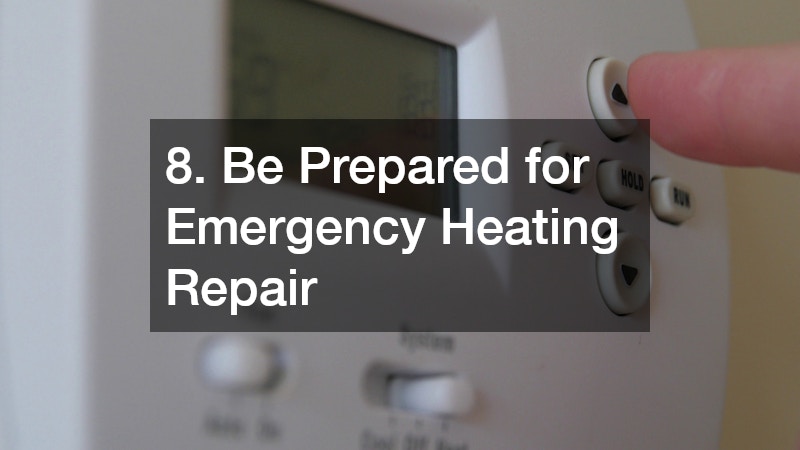
Being prepared for emergency heating repair ensures that you won’t be caught off guard during unexpected system failures. Immediate steps like checking thermostat settings and circuit breakers can rule out simple issues. If these do not solve the problem, it may be time to contact an emergency service provider.
Choosing the right emergency service involves researching beforehand and keeping contact information readily accessible. Evaluate providers based on their response time, availability, and experience with your specific HVAC system. This ensures that you receive prompt and adequate service when needed.
Beyond immediate repairs, developing a relationship with a reliable HVAC company offers peace of mind during such emergencies. An established history with your provider means faster diagnosis and expertise in addressing your system’s specifications. Confident in your choice of provider, you can face potential emergencies with minimal disruption to your comfort.
9. Choose a Reliable HVAC Company
Choosing a reliable HVAC company involves considering various factors that influence the quality of service. Investigate the range of services offered, such as installations, repairs, and maintenance, to ensure comprehensive support. Ideally, the company should provide specialized services for both residential and commercial settings.
Assessing a company’s reputation involves examining customer feedback and industry recognition. Reliable companies often possess certifications from recognized bodies, demonstrating adherence to high standards. Consistent records of customer satisfaction and positive endorsements are encouraging signals.
Evaluating company reputation is crucial, as a trustworthy HVAC company provides long-term solutions to your heating and cooling needs. An established history within the community further reinforces their reliability. With a knowledgeable and reputed partner, you benefit from enhanced system performance and customer care.
10. Prepare for a Successful HVAC Install
Preparing your home for an HVAC install involves strategic planning and organization. Ensure that the installation area is accessible, clutter-free, and complies with safety requirements. Communicating with the installer about preferred system locations and layout specifications streamlines the process.
Understanding the installation timeline helps set realistic expectations and minimize disruptions to your daily routine. Discuss details with the contractor regarding estimated completion times and any potential delays. Clear timelines offer transparency and enhance coordination between homeowners and contractors.
A successful HVAC install also depends on post-installation processes such as testing and calibration. Verify that the system operates efficiently and as expected before finalizing the install. Post-installation support from your contractor ensures that the system continues to operate effectively after initial setup.
11. Optimize HVAC Energy Usage
Optimizing HVAC energy usage not only contributes to lower utility bills but also benefits the environment. Simple tips like setting a programmable thermostat can significantly reduce energy waste by adapting to occupancy patterns. Avoid unnecessary energy consumption by setting realistic temperature goals for your home.
Advanced controls and automation offer further opportunities to optimize energy efficiency. Smart thermostats and automation systems provide precise climate control, adjusting to user behavior and preferences. These technologies increase system responsiveness and adaptability, enhancing comfort while reducing energy use.
Encouraging energy-efficient operation involves a balanced approach to maintenance and technology integration. Regular inspections ensure that all components function optimally, avoiding excess power draw. Collaborating with an HVAC system expert can help identify the latest advancements that align with your goals.
12. Extend the Lifespan of Your HVAC System
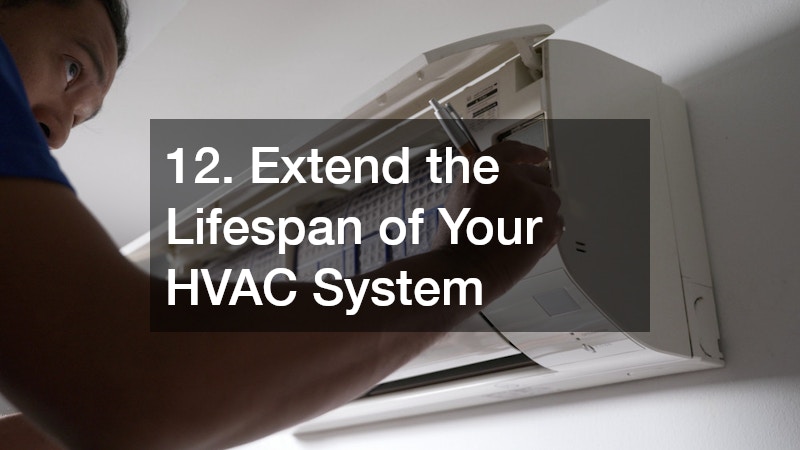
Extending the lifespan of your HVAC system requires adherence to best practices and regular care. Conduct consistent inspections and prompt maintenance to preempt major issues and extend the system’s effective working life. These practices ultimately save money and reduce the need for premature replacements.
Avoiding common mistakes, such as neglecting routine maintenance or ignoring abnormal system behavior, is key to longevity. Stay proactive by addressing minor concerns before they escalate into significant problems that require costly repairs. Educate yourself on the signs of wear and tear to ensure timely intervention.
By adopting a variety of strategic HVAC (Heating, Ventilation, and Air Conditioning) hacks, homeowners can experience a remarkable boost in both the efficiency and longevity of their systems. These improvements enable households to maintain optimal indoor temperatures all year round, ranging from the cozy warmth of winter to the refreshing coolness of summer, all without the hefty price tag often associated with such comforts.
The beauty of these adjustments lies in their accessibility. Homeowners have the luxury of choosing between personally implementing these enhancements or seeking the expertise of seasoned HVAC professionals. Each option carries its own set of advantages. A do-it-yourself approach allows for a more hands-on experience, fostering a deeper understanding of one’s home climate system. Conversely, enlisting professional assistance ensures that the work is executed with precision and expertise, mitigating the risk of potential mishaps.
Delving deeper into the mechanics of these HVAC hacks unveils a realm of possibilities aimed at maximizing efficiency. For instance, regularly replacing air filters is a simple yet highly effective habit. Clean filters guarantee that the system does not have to work excessively to maintain airflow, thereby consuming less energy and reducing utility bills.
Another transformative practice is the systematic sealing of any leaks in the ductwork. Unattended leaks can often lead to substantial energy wastage, as conditioned air escapes and renders the airflow less efficient. By effectively sealing these leaks, homeowners can ensure that every bit of heated or cooled air reaches its intended destination.
The journey of optimizing your HVAC system rewards you not only with enhanced comfort but also with substantial financial savings. By becoming attentive to your HVAC system’s needs and learning continually about the best practices for its maintenance, you lay the groundwork for enduring benefits. Over time, these efforts culminate in a home environment that is both welcoming and efficient, standing as a testament to the value of proactive care and informed decision-making.