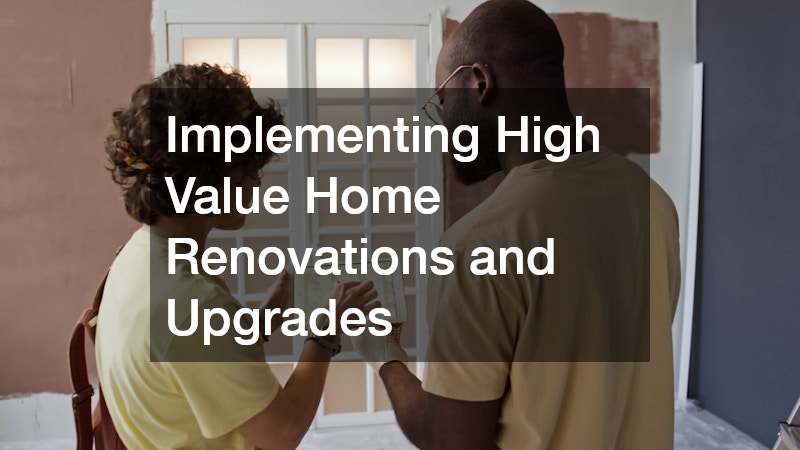
Home renovations are entering a highly strategic era. For years, the conventional wisdom surrounding home improvement focused almost entirely on immediate resale value, leading many homeowners to make choices based on generic real estate checklists rather than personal utility. However, true value is found at the intersection of mechanical longevity, daily functional improvement, and long-term market demand. Striking this balance requires a holistic view of your property as both a sanctuary and an investment asset.
Investing in your home means navigating a landscape of fluctuating material costs, evolving design trends, and shifting buyer expectations. Over-improving a property for its specific neighborhood can trap equity, while under-improving can leave your home lagging behind local market standards. To maximize your return, you must adopt a framework that prioritizes structural integrity and workflow efficiency over superficial cosmetic fixes.
Designing an Ergonomic Cooking Zone That Sells Itself

The core of a successful property transformation almost always begins in the kitchen. As the primary culinary workspace and social anchor of the modern home, this area demands a precise blend of ergonomic engineering and premium materials. Buyers can immediately sense when a layout feels cramped or inefficient, making it vital to focus on the workflow triangle—the spatial relationship between the refrigerator, sink, and cooktop.
Optimizing this zone requires looking beyond basic cosmetics to evaluate how the space performs under heavy daily use. To elevate this central hub, focus on these high-return strategies:
- Workflow Optimization: Ensure the combined legs of the work triangle sit between 12 and 26 feet. Anything tighter feels restrictive, while a larger footprint creates unnecessary steps during meal preparation.
- Layered Lighting Schemes: Implement task lighting underneath upper cabinets to illuminate workspaces, ambient recessed ceiling lights for general visibility, and accent pendants over islands to ground the design.
- Smart Material Choice: Shift away from high-maintenance natural stones like marble, which are prone to etching and staining, in favor of engineered stone options.
Investing in high-end kitchen renovations yields some of the highest cost-to-value ratios in the industry. The visual and tactile impact of upgrading your surfaces cannot be overstated. Installing durable countertops made of quartz or sintered stone provides a non-porous, scratch-resistant surface that withstands intense heat and daily wear without requiring annual sealing. By prioritizing these enduring materials, you create a low-maintenance environment that appeals heavily to busy, modern families who value both luxury and practicality.
Sourcing Precision Millwork to Optimize Storage and Flow
Cabinetry dictates both the visual identity and the organizational capacity of your home. Standard, off-the-shelf cabinets often leave awkward gaps, rely on filler strips, and degrade quickly under the weight of heavy cookware. Shifting toward premium, tailored millwork allows you to utilize every square inch of your footprint, transforming awkward corners into highly functional storage zones.
Superior storage design focuses heavily on accessibility and specialized internal components that hide clutter. Consider these essential millwork enhancements:
- Deep Base Drawers: Replace traditional lower cabinets with deep pull-out drawers to eliminate the need to kneel and search through dark shelves for heavy pots and pans.
- Integrated Appliance Garages: Create dedicated spaces with roll-up or pocket doors to conceal blenders, coffee makers, and toasters, keeping your main surfaces clear.
- Premium Hardware Infrastructure: Insist on soft-close undermount drawer slides and heavy-duty hinges that prevent slamming and reduce mechanical wear over time.
Partnering with a dedicated custom cabinet company ensures that your storage solutions are structurally sound and perfectly scaled to your home’s architecture. Tailored millwork allows you to extend cabinets all the way to the ceiling, maximizing vertical space and removing dust-collecting ledges. This cohesive design language can be extended beyond the kitchen into walk-in pantries and dining areas, establishing a sense of continuity that significantly elevates the perceived quality of the entire property.
Creating Low-Maintenance, Spa-Like Personal Retreats
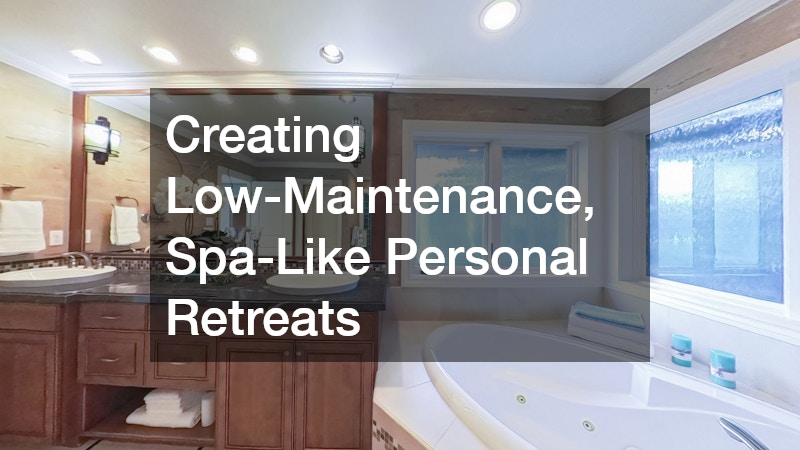
Modern bathroom design has shifted away from purely utilitarian setups toward experiential spaces that mimic premium wellness retreats. Homeowners are increasingly replacing oversized, rarely used jetted tubs with expansive, premium walk-in showers. The goal is to create a clean, minimalist environment that emphasizes relaxation while remaining incredibly easy to keep clean.
Achieving a high-end look requires a strict focus on waterproofing integrity, hidden drainage systems, and structural proportions. Focus on these valuable bathroom enhancements:
- Curbless Walk-In Showers: Eliminate the traditional shower step to create a seamless floor transition, which expands the room visually and supports aging-in-place accessibility.
- Floating Vanities: Mount cabinetry directly to the wall to expose more floor tile, creating the illusion of a larger footprint while making floor cleaning effortless.
- Large-Format Porcelain Tile: Utilize expansive tiles to drastically minimize the number of grout lines, reducing the potential for mold growth and cutting down on maintenance.
Executing thoughtful bathroom renovations consistently ranks near the top for property appreciation. Buyers actively seek out spaces where they can unwind without facing immediate maintenance headaches. Incorporating features like built-in shower benches, frameless glass enclosures, and thermostatic mixing valves provides a precise control over water temperature that transforms a simple daily routine into a luxury experience.
Modernizing Invisible Infrastructure for System Reliability
While beautiful surfaces capture attention, a home’s mechanical systems dictate its actual survival. Neglecting the hidden infrastructure behind your walls during a major decorative project is a recipe for future financial disaster. Upgrading your water delivery and waste lines ensures that your new finishes are never compromised by hidden leaks, low water pressure, or structural dampness.
When walls are opened up for a layout change, it is the ideal window to perform critical mechanical updates. Prioritize these foundational infrastructure improvements:
- PEX Piping Conversion: Replace old copper or galvanized iron lines with flexible cross-linked polyethylene piping, which resists scale buildup, dampens water noise, and eliminates the risk of pinhole leaks.
- Dedicated Supply Lines: Run independent supply lines to high-demand fixtures to ensure that flushing a toilet or running a washing machine never causes a sudden drop in temperature elsewhere.
- Smart Leak Detection: Install inline shut-off valves that monitor water flow patterns and automatically cut off the main supply if an unusual drop in pressure is detected.
Securing professional plumbing services during the early phases of your project ensures that your underlying distribution networks are completely up to code. Experienced technicians can correctly calculate proper drain slopes, install adequate vent stacks to prevent sewer gas backup, and ensure that your wall valves are built to endure decades of constant cycling. This invisible security protects your cosmetic investments and offers immense peace of mind.
Investing in Water Quality and Preventive Pipe Maintenance

The longevity of your new appliances, fixtures, and hidden piping relies heavily on the quality of the water flowing through them. Hard water contains high concentrations of calcium and magnesium that precipitate out when heated, forming a destructive rock-like scale inside water heaters, dishwashers, and premium showerheads. Addressing this hidden threat protects your plumbing network from premature failure.
A proactive approach to home mechanics pairs water purification with deep system cleansing. Implement these protective maintenance strategies:
- Whole-House Filtration: Install multi-stage carbon and sediment filters at your main water entry point to remove chlorine, heavy metals, and particulate matter before they reach your taps.
- Water Conditioners: Utilize salt-based softeners or electronic descalers to neutralize mineral bonds, preserving your fixtures and significantly reducing soap scum buildup on glass.
- Camera Inspections: Request a video line inspection to identify hidden tree root intrusions, bellies, or structural cracks in your main lateral line before backup issues arise.
Integrating modern water treatments into your mechanical room preserves the efficiency of your tankless water heaters and keeps your premium finishes looking spotless. To complement this, scheduling a thorough drain cleaning using hydro-jetting technology removes years of accumulated grease and scale from your waste lines. This dual approach ensures that water enters your home pure and exits without obstruction, eliminating common daily frustrations.
Future-Proofing Power Grids for Smart Devices and Electric Vehicles
The energy demands of the average modern household have grown exponentially over the last decade. With the rise of high-powered climate systems, dedicated home offices, smart automation, and electric vehicles, older electrical infrastructure can quickly become overloaded. Upgrading your electrical grid is no longer just a matter of convenience; it is a fundamental safety and valuation requirement.
A modern electrical ecosystem should focus on capacity, safety redundancy, and smart power distribution. Ensure your system includes these core upgrades:
- Service Panel Amperage Boost: Upgrade your main service from an outdated 100-amp panel to a robust 200-amp or 400-amp smart panel to safely handle multiple high-draw appliances simultaneously.
- Dedicated Vehicle Charging Lines: Run heavy-duty conduit to your garage or driveway for a Level 2 electric vehicle charging station, a feature rapidly becoming a baseline requirement for buyers.
- Whole-Home Surge Protection: Install a sacrificial surge protective device directly at the main breaker panel to shield your smart appliances and electronics from grid voltage spikes.
Hiring certified electrical services to audit and expand your home’s power grid guarantees that all work complies with the latest National Electrical Code standards. Professional technicians can correctly balance your electrical loads across breakers, install required arc-fault and ground-fault circuit interrupters in wet zones, and map out structured wiring for seamless whole-home internet connectivity. This hidden power network forms the backbone of a highly functional modern lifestyle.
Assembling a Trusted Team for Large-Scale Transformations
The success of any major property improvement hinges entirely on project management, clear communication, and skilled craftsmanship. Navigating zoning permits, structural engineering requirements, and material procurement requires an experienced leader who can keep subcontractors on schedule and manage budgets effectively. Attempting to manage a major project without professional guidance often leads to extensive delays and costly mistakes.
Protecting your financial investment during execution requires a rigorous approach to vetting your build team. Follow these essential management protocols:
- Comprehensive Estimate Reviews: Insist on detailed, itemized estimates that break down material costs, labor allocations, and permit fees, rather than accepting vague lump-sum quotes.
- Verification of Credentials: Directly verify general liability insurance policies, workers’ compensation coverage, and specific state licensing statuses before signing any paperwork.
- Structured Milestone Payments: Establish a clear payment schedule tied strictly to verified physical progress milestones rather than calendar dates, keeping a portion back until final inspection sign-off.
Entrusting your property to a licensed remodeling contractor minimizes your personal risk and guarantees that structural changes are backed by real warranties. A professional coordinator orchestrates the entire home remodeling process smoothly, ensuring that carpenters, plumbers, and painters work in the correct sequence. This methodical management style reduces down-time, prevents different trades from getting in each other’s way, and delivers a polished finish that reflects true master craftsmanship.
Smart Sequencing: The Ultimate Timeline for Stress-Free Execution

The secret to a smooth, cost-effective property transformation lies in the chronological order of operations. Developing a precise roadmap prevents you from completing decorative finishes only to tear them open later to fix a mechanical issue. Understanding this timeline helps you manage your expectations and budget effectively throughout the build.
A successful construction sequence always flows from structural and mechanical stability down to final cosmetic details. Adhere to this proven sequence:
- Demolition and Structural Reinforcement: Remove unwanted walls, clear away old materials, and install structural beams or load-bearing headers to secure the building envelope.
- Rough-In Mechanical Systems: Install all hidden plumbing lines, electrical wiring, HVAC ductwork, and structural bracing while the wall cavities are completely exposed.
- Insulation and Drywall: Seal the thermal envelope and hang, tape, and mud drywall to establish the final room geometries and prepare for paint.
- Finishing Details and Fixture Installation: Install custom cabinetry, fit solid countertops, lay down flooring, mount light fixtures, and connect plumbing trim items.
By honoring this natural progression, you safeguard your budget against costly re-work and ensure that every trade professional can work at peak efficiency. This methodical approach transforms what could be a chaotic process into a structured, rewarding journey that maximizes your property’s value.
Implementing comprehensive property upgrades requires a balanced mix of design vision, financial discipline, and construction precision. By focusing your attention on high-impact hubs like kitchens and bathrooms, while simultaneously modernizing your invisible mechanical grids, you create an environment that feels both luxurious and structurally sound. These improvements elevate your daily living experience and anchor your property’s long-term market value.
As you move forward with your improvement plans, remember that the highest returns come from projects that respect the architectural integrity of the home while preparing it for modern living. Work with verified professionals, invest in durable materials, and maintain a clear timeline from initial demolition to the final coat of paint. With a thoughtful strategy and a commitment to quality execution, your house will successfully transform into a high-value asset that serves your family beautifully for decades to come.