
The dream of a fresh, modern home often collides head-first with the harsh reality of construction costs. Turn on any home renovation television show, and you will see sweeping transformations that routinely cross the five-figure, or even six-figure, threshold. It is easy to walk away from that media believing that unless you have a massive bank account and a team of celebrity designers, you are stuck with your dated laminate countertops, worn floors, and uninspiring living room layout.
Fortunately, this is a myth. Upgrading your home does not require an all-or-nothing financial sacrifice. By shifting your focus toward strategic, high-impact investments, you can breathe new life into your most-frequented zones without draining your savings. The secret lies in identifying projects that offer a massive return on enjoyment and equity relative to their upfront cost. This guide will walk you through actionable, budget-conscious strategies to elevate your kitchen and living spaces by shopping smarter, maximizing local resources, and focusing on the details that make a home feel premium.
Kitchen: Breathing New Life Into Your Cabinetry

Cabinetry is the visual anchor of any kitchen. It occupies the most visual real estate, meaning that if your cabinets look tired, the entire room feels dated. However, completely tearing out old boxes and replacing them with custom woodwork is one of the most expensive undertakings in home remodeling. To save thousands of dollars, look at cosmetic refreshes and alternative sourcing before committing to a total demolition.
If your existing cabinet boxes are structurally sound, paint and new hardware can achieve a near-miraculous transformation. Thoroughly cleaning the wood, applying a high-quality bonding primer, and finishing with a durable trim paint can instantly modernize a space. Classic choices like crisp white, deep navy, or muted sage green can alter the room’s mood completely. Pair this fresh coat of paint with modern matte black or brushed brass pulls to solidify the upscale look.
When the cabinet doors themselves are warped or beyond saving, but the frames are sturdy, refacing is your best middle ground. This involves replacing just the doors and drawer fronts while leaving the underlying structures intact.
To keep costs low during a deeper renovation, bypass the steep markups of major national retailers and big-box home improvement stores. Instead, make an appointment with a local cabinet supplier in your area. These regional businesses frequently stock contractor-grade overstocks, canceled custom orders, or builder surpluses that they are eager to liquidate at a fraction of standard retail pricing.
When choosing your new look, focus on timeless kitchen cabinet styles rather than fleeting trends. Shaker-style doors, for example, feature clean, minimalist lines that work beautifully in traditional, farmhouse, or modern transitional spaces. Opting for these versatile, enduring designs ensures your investment will look elegant for a decade or more, safeguarding your home’s resale value.
Kitchen: Premium-Looking Counters Without the Premium Price
Once your cabinetry is addressed, countertops are the next major hurdle. Granite, quartz, and marble are highly coveted for their durability and luxurious aesthetic, but buying brand-new slabs from a high-end showroom can quickly shatter a modest budget. Fortunately, the stone fabrication industry has a few built-in loopholes that savvy homeowners can use to their advantage.
The first major secret is the stone remnant market. When a massive kitchen project is completed, fabricators are often left with substantial pieces of premium stone that are too small for a full kitchen but perfect for smaller spaces. If you have a compact kitchen layout or a standalone kitchen island, you can tour local fabrication yards to purchase these leftover pieces at steep discounts.
If you are determined to find an elegant look for a larger space, you can secure a classic marble granite countertop by asking fabricators for slabs with slight natural variations or minor, non-structural imperfections. Because natural stone varies wildly from piece to piece, slight shifts in veining or coloring often lead to deep discounts, even though these unique characteristics frequently add more charm and authenticity to a kitchen design than a uniform slab would.
Furthermore, cutting down on logistical expenses can drastically reduce your final bill. By working directly with a workshop that sources local quartz countertops, you eliminate the massive freight, shipping, and middleman fees associated with imported engineered stones. Engineered quartz offers incredible resistance to stains, scratches, and heat, making it an excellent budget-friendly choice when sourced from regional suppliers who manage their own distribution.
To maximize your savings further, consider a mix-and-match strategy:
- Install durable engineered stone along the high-wear perimeter counters where food prep and spills happen daily.
- Use a warm, affordable material like butcher block for your center island to break up the visual monotony and save hundreds on material costs.
Kitchen: Smart Shopping for High-End Appliances

A kitchen upgrade can feel incomplete if your beautiful new counters surround a mismatched, decades-old refrigerator or a stove with failing burners. However, purchasing a brand-new appliance package can easily run into thousands of dollars. To navigate this expense without settling for low-quality, basic models, you need to change how and where you shop.
The most effective strategy for securing premium appliances on a budget is to target scratch-and-dent appliances from local outlet centers. Major appliance retailers frequently reject shipments if a refrigerator gets a small scuff on its side panel during transit, or if a dishwasher door suffers a minor ding near the base. These units are completely functional and carry full manufacturer warranties, yet they are sold at discounts ranging from 40% to 60% off the original retail price. If the blemish is on a side panel that will be hidden by your cabinetry anyway, you are essentially getting a brand-new, high-end appliance for a fraction of the cost.
Beyond outlet shopping, you can leverage retail cycles to your advantage:
- Shop during holiday weekends: Memorial Day, Labor Day, and Black Friday consistently feature the steepest promotional discounts from manufacturers.
- Ask for floor models: In the autumn, manufacturers release their new models. Retailers are often desperate to clear floor space and will happily negotiate deep discounts on the display units if you ask a manager directly.
- Embrace phased upgrades: You do not have to buy all four major kitchen appliances at the same time. Prioritize the item with the highest visual and functional impact, such as a French-door refrigerator, and upgrade the rest of your suite over the course of a year as your budget allows.
Living Room: Elevating Comfort and Visual Appeal

Moving out of the kitchen and into the living room shifts the focus from hard surfaces to comfort, layout, and atmosphere. The living room is where your family relaxes and where guests gather, meaning your upgrades should emphasize tactile comfort, smart space planning, and distinct focal points that give the room character.
One of the most common design mistakes in a living room is filling it entirely with cheap, mass-produced furniture that degrades within a few years. Instead of buying an entire suite of matching, low-quality particleboard items, invest in one or two foundational pieces that anchor the space. For instance, a solid wood coffee table or a custom media console built by a local furniture maker will instantly elevate the room. These artisans craft furniture that lasts generations, and by working with someone in your community, you bypass retail markups and shipping costs while obtaining a truly unique piece of art.
If your budget is tight but you urgently need to replace a sagging, uncomfortable sofa, look into flexible acquisition options that preserve your liquid cash. Utilizing a reputable program for rent-to-own furniture allows you to bring a high-quality, comfortable sectional or sofa into your living room immediately without a massive upfront financial burden. This approach helps you maintain financial flexibility for other structural home updates while ensuring your primary living area remains welcoming and functional.
To tie the furniture together, utilize the transformational power of paint. Painting a single focal wall a deep, dramatic color—such as charcoal, forest green, or terracotta—adds architectural interest to a plain boxy room. Alternatively, painting your baseboards and crown molding a contrasting color can make standard drywall look like custom carpentry.
Throughout the Home: Mastering Light and Window Wear
Light is the invisible design element that dictates how large, clean, and expensive a room feels. A space filled with premium furniture can still feel dreary and dated if it is choked by poor lighting or obstructed by cheap window coverings. Elevating your window treatments and lighting design is a highly effective, low-cost strategy that unifies your kitchen and living areas.
Many homes are outfitted with basic aluminum or plastic mini-blinds that bend easily, collect dust, and scream “rental unit.” Replacing these flimsy options with substantial, permanent architectural window treatments can completely change a room’s aesthetic. Investing in high-quality interior shutters is one of the smartest upgrades a homeowner can make. Whether crafted from natural wood or durable composite materials, these window coverings offer unmatched control over privacy and natural light, while adding a crisp, structured architectural detail that actually increases a home’s appraised value.
Alongside your windows, you can transform your home’s atmosphere after dark by layering your artificial lighting. Avoid relying solely on a single, harsh overhead light fixture in the center of the room. Instead, implement a three-tiered lighting strategy:
- Task Lighting: Install affordable, plug-in LED light strips beneath your kitchen cabinets to illuminate countertops and eliminate dark shadows.
- Accent Lighting: Use affordable, battery-operated or plug-in wall sconces to frame a piece of art or illuminate a dark corner in the living room without paying an electrician to run new wires.
- Ambient Lighting: Swap out cold, blue-toned fluorescent light bulbs for warm LED alternatives. Aim for a color temperature between 2700K and 3000K to create a cozy, high-end hotel ambiance.
Expanding the Footprint: Maximizing Underutilized Spaces
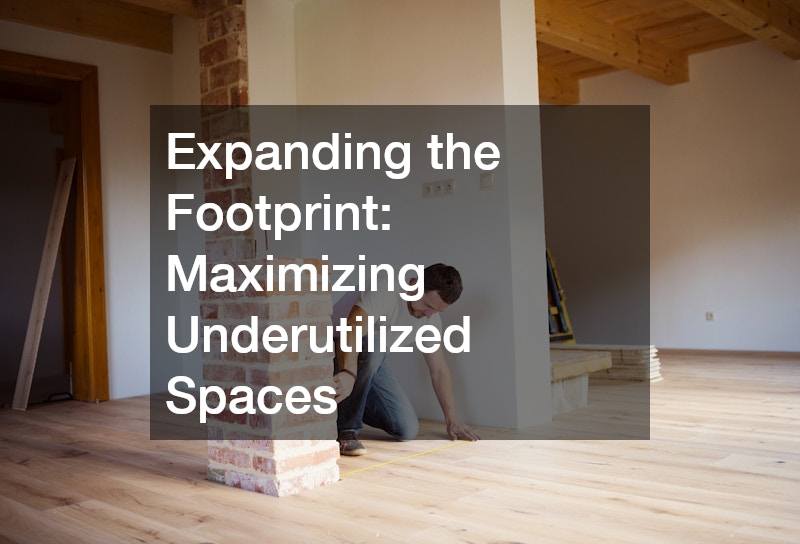
Sometimes, the best way to upgrade your kitchen and living areas is to relieve the pressure on them by expanding your usable living space elsewhere. If your family feels cramped, your first instinct might be to look into a costly home addition. However, building out into your yard can cost tens of thousands of dollars and take months of disruptive construction. A far more economical path is to reclaim the square footage you already own.
Converting an underutilized basement or garage into an inviting recreation area or secondary lounge is an exceptional way to add functional value to your home. Developing a modern finished basement can effectively double your usable living space, providing an ideal zone for a home theater, a quiet home office, or a playroom that keeps toys out of your main living room. By taking advantage of existing foundations and framing, you gain massive square footage at a fraction of the cost per square foot of a traditional ground-up addition.
While there are plenty of tasks an ambitious homeowner can tackle independently—such as painting walls, laying down interlocking vinyl plank flooring, or installing baseboards—it is vital to recognize your limits. For the structural, technical, and regulatory aspects of the expansion, hiring reputable home remodeling services is essential. Professional contractors should always handle tasks like:
- Running complex electrical sub-panels and wiring to meet local safety codes.
- Installing proper sub-floor vapor barriers and waterproofing systems to prevent mold.
- Cutting through concrete foundations to install code-compliant egress windows for basement bedrooms.
Balancing your own sweat equity with professional expertise ensures that your expanded footprint is safe, fully permitted, and built to last, providing an immense boost to your home’s long-term market value.
Conclusion
Upgrading your home is a marathon, not a sprint. The most beautiful, lived-in homes are rarely the result of a single, dizzying renovation sweepstakes. Instead, they are built gradually through a series of intentional, budget-conscious choices. By mixing easy DIY projects like painting and hardware swaps with smart, localized sourcing for big-ticket items, you can create a beautiful environment that reflects your personal style.
Do not let a limited budget paralyze your creativity. Take a walk through your home today and look at your spaces with a fresh perspective. Pick just one micro-project to tackle first—whether that means browsing an appliance outlet for hidden treasures, contacting a local artisan, or picking up a paintbrush. Step by step, you can build a premium home environment without ever compromising your financial peace of mind.