Renovating your first home is exciting, but it can also be overwhelming. First-time homeowners often underestimate the complexity of the process, from budgeting to scheduling contractors and anticipating hidden problems. Without careful planning, even small mistakes can snowball into costly, time-consuming issues that could have been avoided with foresight and preparation. This guide explores the most common renovation mistakes and provides actionable advice to help homeowners navigate the process confidently and successfully.
From structural concerns to cosmetic upgrades, each phase of a renovation requires careful attention. Understanding common pitfalls allows homeowners to make informed decisions, communicate effectively with professionals, and prioritize tasks strategically. By learning from these lessons, you can ensure your renovation runs smoothly, stays on budget, and results in a home that is both safe and aesthetically pleasing.
Skipping a Thorough Property Evaluation

One of the biggest mistakes first-time homeowners make is skipping a detailed property evaluation before starting renovations. A comprehensive inspection can uncover hidden issues like water damage, structural weaknesses, or outdated electrical systems that could dramatically increase renovation costs if overlooked. Many homeowners focus primarily on cosmetic updates, such as painting or flooring, without realizing that underlying problems can turn minor projects into major financial burdens. Addressing these issues early not only prevents costly surprises but also ensures that all future renovations are built on a stable, safe foundation.
- Hire a professional home inspection company to examine the property’s foundation, roof, plumbing, and electrical systems. Experienced inspectors use specialized tools and techniques to identify problems that are invisible to the untrained eye.
- Ask for a detailed report and prioritize repairs based on safety and long-term investment value. Understanding which issues require immediate attention versus those that can be scheduled later allows for smarter project planning.
- Use the inspection findings to create a realistic renovation budget, avoiding surprises down the line. Factoring in repairs for structural or system issues ensures that you allocate funds appropriately and reduces the risk of cutting corners on critical fixes.
By addressing issues upfront, homeowners can prevent delays and unexpected expenses while ensuring that the home is safe and structurally sound before cosmetic or design upgrades begin. Additionally, early inspections provide peace of mind, helping first-time homeowners make informed decisions and communicate more effectively with contractors, ultimately leading to a smoother, more efficient renovation process.
Ignoring Structural and Foundation Issues
Structural problems can be subtle but costly if ignored. Issues like uneven floors, cracks in walls, or poor drainage may indicate underlying foundation concerns that need immediate attention. These problems often start small, and many first-time homeowners may not notice them until they manifest as more serious damage. Overlooking early warning signs can lead to severe structural deterioration, which not only affects the safety and stability of the home but also significantly increases the cost and complexity of renovations.
- Consult excavation contractors for grading or soil correction to prevent water pooling around the foundation. Proper site grading directs water away from the home, reducing the risk of foundation erosion or basement flooding.
- Work with a concrete company for slab repairs, footings, or foundation reinforcement. Skilled professionals can repair cracks, reinforce weak areas, and ensure that load-bearing structures are sound.
- Inspect for water intrusion or settling that could impact long-term stability. Signs of water intrusion, such as dampness in basements or crawl spaces, can indicate soil movement or drainage issues that require immediate intervention.
Ignoring these issues may lead to severe damage over time, including sagging floors, wall cracks, and expensive structural repairs. Early detection and repair ensure that renovations are built on a stable, secure foundation. Additionally, addressing structural concerns before starting cosmetic projects protects the integrity of flooring, cabinetry, and other installations, preventing future damage and the need for costly rework. By proactively managing foundation health, homeowners safeguard their investment and create a safe, long-lasting living environment.
Underestimating Roofing Needs
A well-maintained roof is one of the most critical components of a home because it protects everything beneath it. First-time homeowners often overlook roof condition or underestimate the costs and time associated with replacements or repairs, focusing instead on interior renovations. However, a compromised roof can jeopardize every improvement made inside the home, from flooring to cabinetry, and can lead to costly water damage, mold growth, and structural deterioration. Investing in roof care early is essential to safeguard your home and your renovation investment.
- Schedule a roof assessment and consult for residential roof installation or roof replacement services. Professionals can identify worn shingles, leaks, or structural weaknesses before they escalate into larger problems.
- Evaluate materials, warranties, and installation timelines before starting renovations. Selecting high-quality roofing materials and understanding coverage options ensures long-term durability and peace of mind.
- Ensure roofing work is done early to protect interior renovations from weather damage. Completing the roof first allows other projects—such as painting, flooring, or electrical work—to proceed without the risk of water intrusion.
Investing in proper roof replacement services at the start prevents leaks, water damage, and the need for repeated repairs. Beyond protecting the home’s envelope, a solid roof also improves energy efficiency, reduces maintenance costs, and enhances curb appeal. For first-time homeowners, addressing roofing needs proactively ensures that all interior and exterior upgrades remain safe, durable, and valuable, providing a reliable foundation for a comfortable and well-protected home.
Neglecting HVAC Systems
Heating, ventilation, and air conditioning (HVAC) systems are often overlooked by first-time homeowners until problems arise. Yet these systems are essential for maintaining comfort, indoor air quality, and energy efficiency throughout the home. Outdated, improperly installed, or undersized HVAC units can lead to uneven heating and cooling, increased energy bills, and strain on mechanical components, potentially shortening the system’s lifespan. Ignoring these issues during renovations can result in costly retrofits or emergency replacements that disrupt other projects and the home’s functionality.
- Hire a certified HVAC service provider to inspect ductwork, thermostats, and overall system performance. A professional evaluation ensures that airflow, refrigerant levels, and controls are optimized for both efficiency and comfort.
- Plan upgrades or replacements to coincide with major renovations for efficiency. Coordinating HVAC work with structural or interior changes minimizes disruption and allows ductwork or venting adjustments to accommodate new layouts.
- Ensure adequate ventilation, especially if adding rooms, converting attics, or expanding living areas. Proper airflow prevents moisture buildup, reduces the risk of mold growth, and maintains consistent indoor temperatures.
Proactive HVAC planning integrates climate control into your renovation schedule, preventing the need for emergency fixes while saving time and money. By addressing these systems early, homeowners create a comfortable living environment year-round, improve energy efficiency, and protect the long-term performance of both the HVAC system and the renovated spaces. This forward-thinking approach ensures that the home remains both functional and enjoyable after renovations are complete.
Overlooking Accessibility and Vertical Transportation
Accessibility is often an afterthought for first-time homeowners, yet it is a crucial aspect of creating a safe and functional living environment. Multi-level homes, narrow staircases, or homes intended for long-term use by older adults may require specialized solutions to ensure safe and convenient movement throughout the property. Failing to plan for accessibility early can lead to costly retrofits, limited mobility, and reduced home value over time.
- Evaluate whether a residential elevator company can provide vertical access solutions, such as elevators, platform lifts, or stair lifts, to improve safety and convenience for all residents.
- Consider space planning early to accommodate future accessibility needs. This may include widening doorways, reinforcing floors for heavier equipment, or designing rooms with clear pathways.
- Integrate elevators, lifts, or stair modifications into your renovation budget from the outset to avoid expensive structural changes later. Early planning also allows contractors to incorporate these elements seamlessly into the home’s design rather than as an afterthought.
By prioritizing accessibility during initial renovations, homeowners ensure long-term usability for themselves, family members, and future occupants. Proper planning reduces the risk of falls or accidents and provides peace of mind for aging-in-place scenarios. Additionally, integrating accessibility features early can enhance home value, as modern buyers increasingly look for homes that accommodate diverse mobility needs. Thoughtful, proactive design creates a home that is functional, safe, and adaptable, allowing homeowners to enjoy their space comfortably for years to come.
Poor Budgeting for Exterior Finishes
Exterior finishes, including paint, siding, and trim, are often underestimated by first-time homeowners, yet they play a crucial role in protecting the home and enhancing curb appeal. Inadequate planning or poor-quality materials can result in uneven coverage, premature wear, or even water intrusion, which can compromise the underlying structure. Neglecting these details may also lead to unfinished projects that diminish the home’s overall appearance and value.
- Hire professional painting services to ensure consistent, durable, and high-quality coverage. Experienced painters understand surface preparation, the proper selection of primers and paints, and techniques for long-lasting results.
- Choose weather-resistant materials designed for your local climate. Factors such as sun exposure, rainfall, humidity, and temperature fluctuations should guide your selection of paint, siding, and trim to maximize longevity.
- Plan exterior projects alongside other renovations to prevent delays or scheduling conflicts. Coordinating exterior work with roofing, landscaping, or window installations ensures that materials and contractors are efficiently utilized and that the home remains protected throughout the process.
Proper budgeting and professional finishes do more than just improve aesthetics—they protect your home from weather damage, mold, and rot while maintaining structural integrity. Well-executed exterior renovations increase both safety and resale value, creating a visually appealing and durable home that stands the test of time. Additionally, investing in quality materials and skilled labor reduces maintenance costs over the years, making it a smart long-term decision for homeowners committed to preserving and enhancing their property.
Mismanaging Roofing and Weather Protection
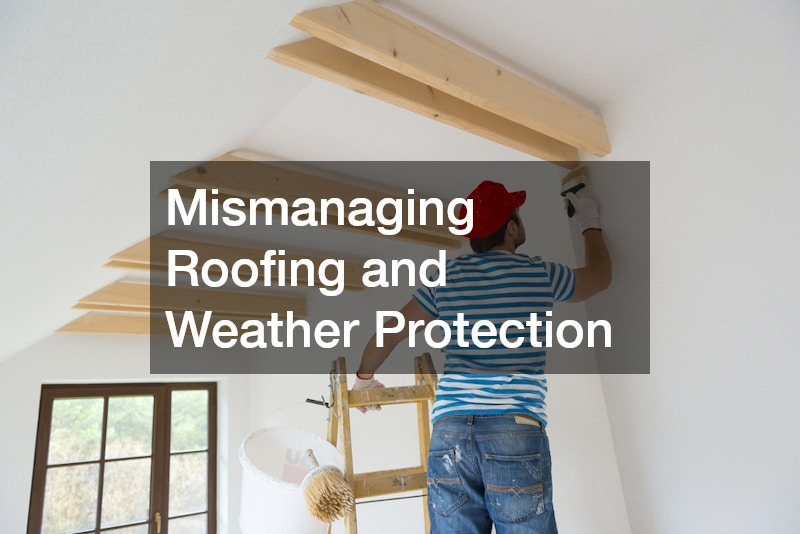
Weather protection is critical during renovations, yet many first-time homeowners underestimate its importance. Temporary exposure to rain, wind, or extreme temperatures can damage unfinished interiors, compromise structural components, and even delay project timelines.
- Work with a reputable local roofing company for timely installation and repairs.
- Schedule roofing work to coincide with major interior projects to prevent water damage.
- Verify warranty coverage and material durability before finalizing roofing plans.
Proper roofing coordination ensures that all renovations remain protected from leaks, wind damage, and other weather-related issues, safeguarding both materials and labor investments. Additionally, proactive planning reduces the likelihood of emergency repairs and minimizes insurance complications, giving homeowners peace of mind that their property and renovation efforts are fully protected.
Overlooking Site Preparation and Excavation
Proper site preparation is vital, especially for additions, landscaping, or structural work. Failing to prepare the site correctly can lead to uneven surfaces, drainage problems, and foundation issues.
- Engage experienced excavation contractors for grading and soil preparation.
- Coordinate with a qualified construction company for structural preparation, foundation laying, and site safety.
- Address drainage, compaction, and soil stability before starting major construction.
Proper site preparation reduces the risk of long-term damage and ensures that renovations proceed on a safe, level, and durable foundation.
Failing to Coordinate Subcontractors
First-time homeowners often underestimate the complexity of coordinating multiple subcontractors, leading to scheduling conflicts and delays.
- Hire a reliable construction company to oversee scheduling and workflow management.
- Ensure subcontractors, including a concrete company, are aligned with project timelines.
- Maintain clear communication and contingency plans to minimize interruptions and errors.
Effective coordination ensures that projects stay on schedule, reduces stress, and prevents costly mistakes caused by overlapping or mismanaged work.
Ignoring Long-Term Maintenance Considerations
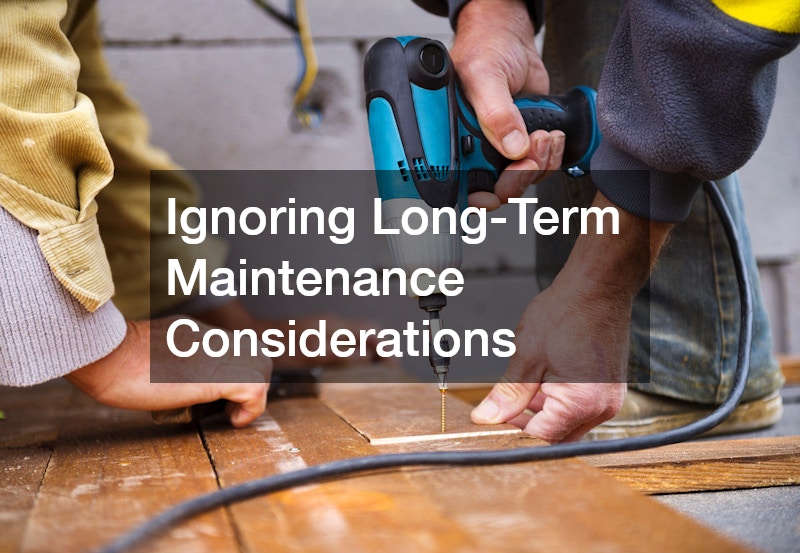
Renovations aren’t just about aesthetics; long-term maintenance is critical. Neglecting maintenance planning can result in frequent repairs and diminished property value.
- Plan for routine inspections of residential roof installation and HVAC service.
- Select durable materials for high-traffic areas, roofs, and mechanical systems.
- Schedule regular professional maintenance to extend the lifespan of key components.
Considering maintenance early in the renovation process ensures your home remains functional, safe, and cost-effective for years to come, reducing unexpected expenses and stress.
Renovating a home for the first time is a rewarding experience, but it comes with many potential pitfalls. From structural and roofing considerations to HVAC, accessibility, and site preparation, careful planning is essential. By understanding these common mistakes and following actionable strategies, homeowners can navigate the renovation process confidently. Prioritizing inspections, professional guidance, and long-term maintenance ensures that your investment is protected and that the final result is a safe, functional, and beautiful home.