
A home should feel consistent—comfortable temperatures, clean air, safe surfaces, and a sense that everything is working as it should. But over time, small issues creep in. A room that never cools down, a faint draft near the windows, a driveway crack you keep stepping over. Individually, they’re easy to ignore. Together, they slowly chip away at both comfort and safety.
The challenge is knowing where to start. Most homeowners don’t deal with just one issue at a time—these problems tend to overlap. Fixing them effectively means understanding how different parts of your home work together and addressing the root causes instead of just the symptoms.
This guide walks through the most common problem areas and shows you how to fix them in a practical, manageable way. Whether you’re dealing with an older home that needs attention or a newer property with a few nagging issues, the goal is the same: create a space that feels reliable every day.
Identify Hidden Airflow and Temperature Problems Early
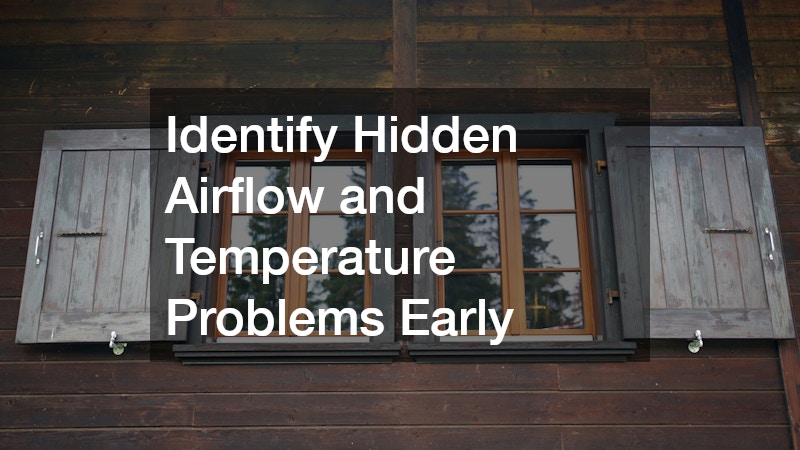
Temperature inconsistency is often the first sign that something isn’t right. Maybe your bedroom feels like a sauna while the living room stays cool, or your AC runs constantly but never quite catches up. These aren’t just comfort issues—they can signal inefficiencies or even safety concerns.
Start by paying attention to patterns:
- Are certain rooms always warmer or colder?
- Does airflow feel weak from specific vents?
- Are your energy bills creeping up without explanation?
These clues usually point to airflow imbalances, duct leaks, or an aging system that’s struggling to keep up.
It can also help to walk through your home at different times of day. Morning and afternoon heat exposure can reveal insulation gaps or poorly sealed windows. Sometimes, what feels like an HVAC issue is actually caused by external heat gain or poor airflow design.
In many cases, homeowners delay action because the system is still technically “working.” But this is where small inefficiencies turn into bigger problems. Consulting a local AC contractor can help identify whether you’re dealing with duct issues, insulation gaps, or a system that’s nearing the end of its lifespan.
Sometimes, the fix is straightforward—sealing ducts, adjusting dampers, or improving insulation. Other times, especially in older homes, a full AC install becomes the more cost-effective long-term solution. Modern systems not only cool more efficiently but also distribute air more evenly, eliminating those frustrating hot and cold zones.
Upgrade Heating Systems for Safer, More Reliable Warmth
Heating systems tend to fail quietly—until they don’t. You might notice uneven warmth, strange smells, or a system that cycles on and off too frequently. These are early warning signs that shouldn’t be ignored.
If your home relies on an older unit, upgrading to a new furnace can dramatically improve both comfort and safety. Newer systems are designed with better airflow control, improved energy efficiency, and built-in safety features that reduce risks like overheating or gas leaks.
Another factor to consider is how your heating system integrates with the rest of your home. Poor airflow design or blocked vents can cause even a newer system to perform poorly. Before replacing equipment, it’s worth checking whether the issue lies in distribution rather than generation.
For homes that use propane as a fuel source, regular inspections are critical. While it’s an efficient and reliable option, it requires proper ventilation and maintenance to ensure safe operation. Even a small issue—like a loose connection or blocked vent—can create serious hazards if left unchecked.
A practical approach to heating upgrades includes:
- Scheduling an annual inspection before the colder months
- Replacing outdated components proactively
- Installing carbon monoxide detectors near sleeping areas
These steps don’t just improve warmth—they create peace of mind during the seasons when you rely on your system the most.
Fix Roof Damage Before It Becomes a Safety Hazard
Roof issues rarely announce themselves dramatically. More often, they show up as subtle signs: a small ceiling stain, a faint musty smell, or a few shingles out of place after a storm.
Ignoring these signs can lead to bigger problems—water intrusion, mold growth, and even structural damage. What starts as a minor repair can escalate into a major renovation if not addressed early.
One overlooked issue is how roof damage affects insulation. When moisture enters your attic space, it can reduce insulation effectiveness, making it harder to maintain indoor temperatures. This creates a ripple effect, increasing strain on your HVAC system and raising energy costs.
A quick visual inspection from the ground can reveal obvious issues, but many problems aren’t visible without a closer look. That’s where a qualified roofer becomes essential. They can assess underlying damage, check flashing and seals, and identify weak spots that could worsen over time.
If the damage is widespread or recurring, working with a roofing company ensures a more comprehensive solution. Instead of patching the same area repeatedly, they can address the root cause—whether it’s poor installation, aging materials, or storm damage.
Think of your roof as your home’s first line of defense. Keeping it in good condition protects everything underneath it.
Keep Pests From Compromising Your Home’s Safety

Pests aren’t just a nuisance—they can quietly damage your home and affect your health. Termites weaken structural wood, rodents chew through wiring, and insects can contaminate food and surfaces.
The tricky part is that infestations often go unnoticed until they’re well established. By the time you see visible signs, the problem may already be significant.
Common early indicators include:
- Small droppings in hidden areas
- Scratching sounds in walls or ceilings
- Unexplained damage to wood or insulation
In many cases, pests are drawn in by easy access to food, water, or shelter. Something as simple as a leaky pipe under the sink or crumbs left behind by appliances can attract unwanted visitors.
Prevention starts with sealing entry points and eliminating moisture sources. Even tiny gaps around doors or pipes can become entryways.
However, once pests settle in, DIY solutions often fall short. A local exterminator can identify the type of infestation, locate nesting areas, and apply targeted treatments that actually solve the problem.
Long-term prevention comes down to consistency—keeping your home clean, dry, and sealed against unwanted intruders.
Improve Outdoor Safety With Proper Surface Maintenance
Outdoor surfaces are easy to overlook until they become a problem. A small crack in the driveway, a slightly uneven walkway—these don’t seem urgent until someone trips or water starts pooling.
Over time, exposure to weather causes asphalt and concrete to break down. Cracks expand, surfaces shift, and what was once smooth becomes uneven and potentially hazardous.
Seasonal changes, especially freezing and thawing cycles, can accelerate this damage. Water seeps into small cracks, expands when frozen, and gradually widens the gaps. Left untreated, this process can compromise the structural integrity of the surface.
Sealcoating is one of the simplest ways to extend the life of asphalt surfaces. It creates a protective layer that prevents water penetration, reduces cracking, and improves traction.
For more significant issues, professional concrete services can repair or replace damaged sections, restoring both safety and appearance. This is especially important for areas like steps, patios, and entryways where stability matters most.
A good rule of thumb: if you notice changes in texture, level, or drainage, it’s time to take action before the damage spreads.
Enhance Shade and Weather Protection Around Your Home
Sun exposure plays a bigger role in home comfort than many people realize. Rooms that face direct sunlight can heat up quickly, forcing your cooling system to work harder and creating uncomfortable living spaces.
Adding exterior shade solutions can make an immediate difference. Working with awning installers allows you to strategically place coverings over windows, patios, or entryways, reducing heat gain while also protecting outdoor areas from rain.
There’s also a lifestyle benefit to consider. A shaded patio or deck becomes a usable extension of your living space, especially during hot months. Instead of avoiding outdoor areas, you can enjoy them comfortably throughout the day.
The benefits go beyond comfort:
- Lower indoor temperatures without overworking your AC
- Reduced fading of furniture and flooring
- More usable outdoor space throughout the year
When choosing materials, durability matters. Look for options that can withstand wind, moisture, and prolonged sun exposure. Proper installation is just as important—poorly secured structures can become safety hazards during storms.
Address Moisture, Mold, and Indoor Air Quality Issues
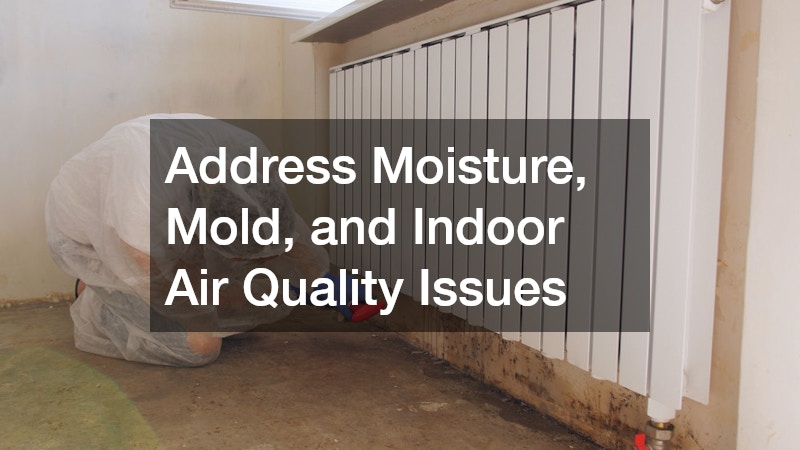
Moisture is one of the most persistent threats to both comfort and safety. It often starts in places you don’t see—behind walls, under floors, or in poorly ventilated areas like bathrooms and basements.
Left unchecked, excess moisture leads to mold growth, which can affect air quality and trigger health issues. You might notice a musty smell, condensation on windows, or discoloration on walls.
What makes moisture issues particularly challenging is how slowly they develop. A small leak may take months to show visible signs, but by then, damage may already be extensive.
The key is addressing both the source and the symptoms.
Start with ventilation. Ensure that bathrooms and kitchens have working exhaust fans, and consider adding a dehumidifier in damp areas. Sealing leaks around windows, pipes, and foundations also helps prevent moisture from entering in the first place.
If mold is already present, small patches can sometimes be cleaned safely. Larger infestations, however, require professional remediation to ensure complete removal and prevent regrowth.
Improving air quality isn’t just about comfort—it’s about creating a healthier environment for everyone in the home.
Improve Lighting and Visibility to Prevent Accidents
Poor lighting is one of the most overlooked safety risks in a home. It’s easy to adapt to dim spaces, but that doesn’t make them safe.
Think about areas like staircases, hallways, and entry points. These are high-traffic zones where visibility matters most. A missed step or unseen obstacle can quickly lead to injury.
Lighting should also adapt to how you use each space. For example, a kitchen requires bright, focused lighting for food preparation, while living areas benefit from softer, layered lighting that reduces glare and shadows.
Improving lighting doesn’t have to be complicated. Small changes can make a big difference:
- Replace outdated fixtures with brighter, energy-efficient options
- Add motion-sensor lights in outdoor areas
- Use layered lighting to eliminate shadows in key spaces
Good lighting also enhances security, making it easier to spot potential issues before they become problems.
Reinforce Entry Points and Structural Weak Spots
Every home has vulnerable points—doors that don’t quite seal, windows with small gaps, or areas where the foundation has shifted slightly over time.
These weaknesses affect more than just energy efficiency. They can allow moisture, pests, and even outside air to enter, creating a cascade of issues.
Sometimes, these problems show up in subtle ways—like a persistent draft or a door that no longer closes smoothly. These small inconveniences are often signs of larger underlying issues.
Walk through your home and look closely at:
- Door and window frames
- Baseboards and wall seams
- Areas where utilities enter the home
Sealing gaps with weatherstripping or caulk is a simple but effective fix. For larger issues, such as structural shifts or foundation cracks, professional evaluation is essential.
Strengthening these weak spots improves both comfort and long-term durability.
Create a Seasonal Maintenance Plan to Prevent Future Issues
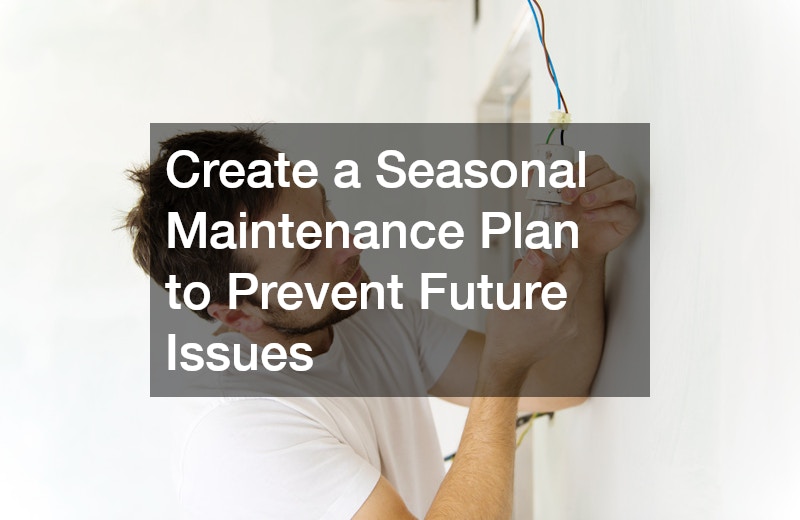
The most effective way to maintain comfort and safety is to stay ahead of problems. Instead of reacting to issues as they arise, a seasonal maintenance plan helps you catch them early—or avoid them entirely.
Many homeowners find it helpful to tie maintenance tasks to specific times of year. This creates a routine that’s easier to follow and less overwhelming.
A simple approach might look like this:
- Spring: Inspect roofing, clean gutters, check outdoor surfaces
- Summer: Evaluate cooling systems, inspect shading, and ventilation
- Fall: Prepare heating systems, seal drafts, check insulation
- Winter: Monitor indoor air quality, watch for moisture buildup
Keeping a record of inspections and repairs also helps you track patterns and plan future upgrades more effectively. Over time, this record becomes a valuable tool for maintaining your home efficiently.
Consistency is what makes the difference. Small, regular efforts prevent the need for large, unexpected fixes.
Building a Home That Works for You
Fixing comfort and safety issues isn’t about achieving perfection—it’s about creating a home that supports your daily life without constant frustration or risk.
When you address problems early, invest in the right upgrades, and maintain your home consistently, everything starts to feel easier. Temperatures stay balanced. Surfaces feel stable. The air feels clean.
And perhaps most importantly, you stop worrying about what might go wrong next.